
Tractor Tyre Types: R1 vs R2 vs Front Rib Tyres
By Desire Williams C · 28 October 2026
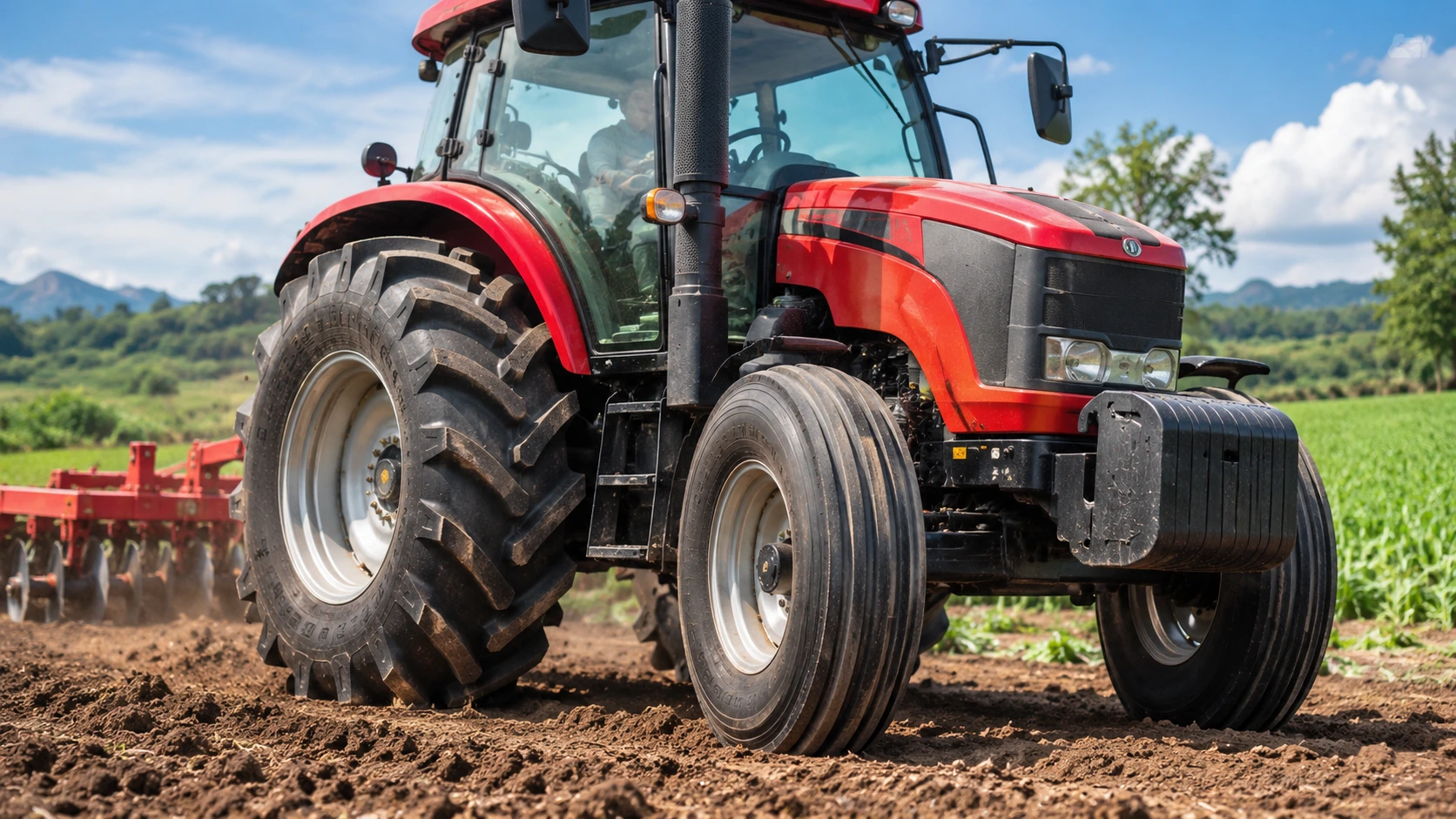
Tractor Tyre Types: Understanding R1, R2 and Front Rib Tyres
Selecting the right tractor tyre is essential for traction, steering, field performance and operating efficiency. For agricultural tyre importers and distributors, understanding the differences between R1, R2 and front rib patterns helps build a product range suited to local farming conditions.
Different regions have different soil types, rainfall patterns, crops and farming practices. A tyre that performs well in ordinary field conditions may not be the best choice for deep mud or specialised agricultural applications.
This guide explains the main differences between three common agricultural tyre pattern types and what buyers should consider before sourcing them.
1. What Are R1 Tractor Tyres?
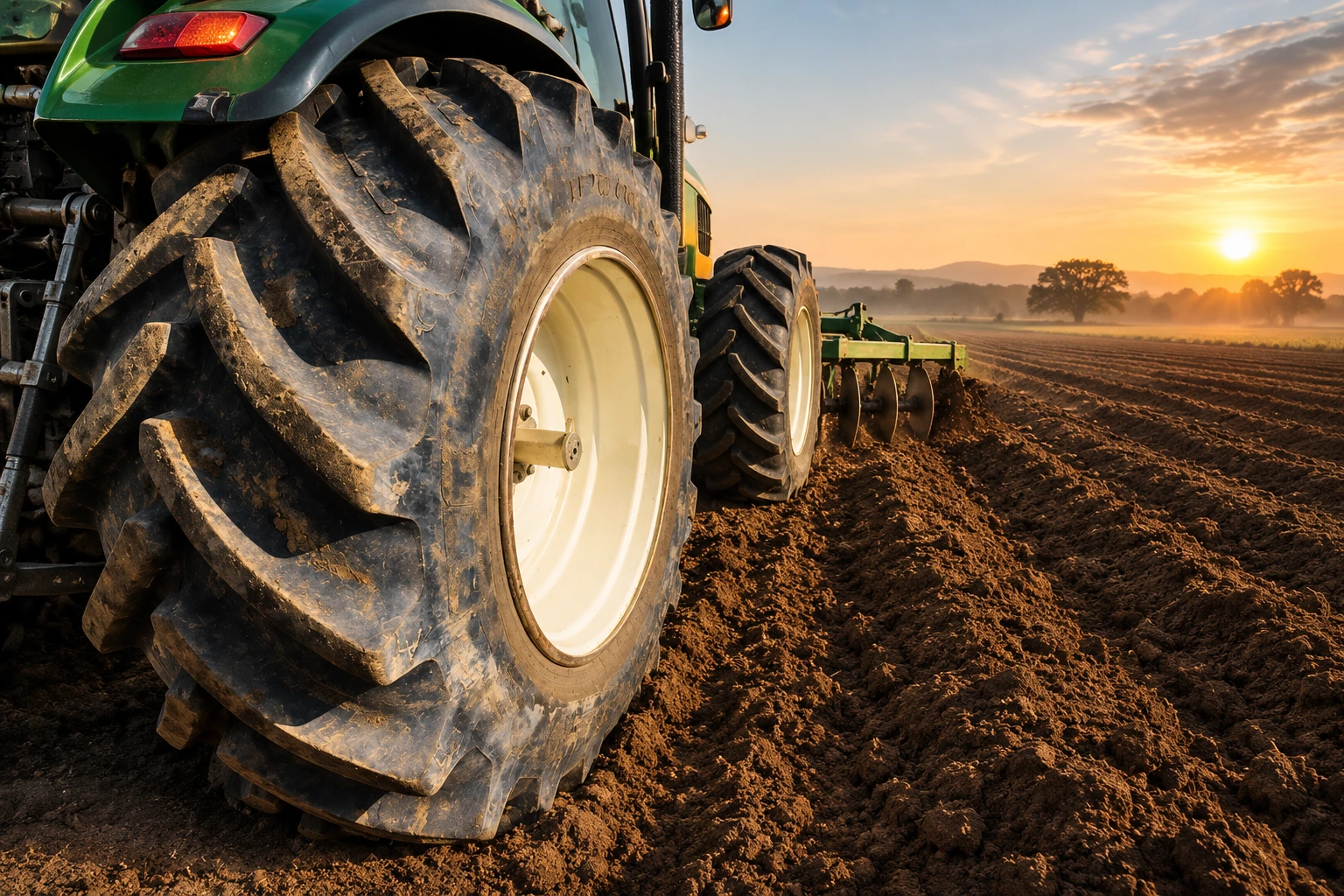
R1 tyres are standard agricultural tyres designed primarily for traction on general farming surfaces. Their prominent angled lugs help the tyre grip soil during operations such as ploughing, cultivation and other field work.
They are commonly used on tractors operating across a range of ordinary agricultural conditions.
Key characteristics
- Angled lugs designed to provide traction on soil.
- Suitable for many general farming operations.
- A widely used pattern in agricultural tyre markets.
- Available in different sizes to suit different tractor models and applications.
Typical applications
R1 tyres are worth considering for tractors used in conventional field cultivation, crop farming and general agricultural work where standard agricultural traction is required.
Actual performance depends on tread depth, lug design, tyre dimensions, inflation pressure, soil conditions and the tractor's operating setup.
2. What Are R2 Tractor Tyres?
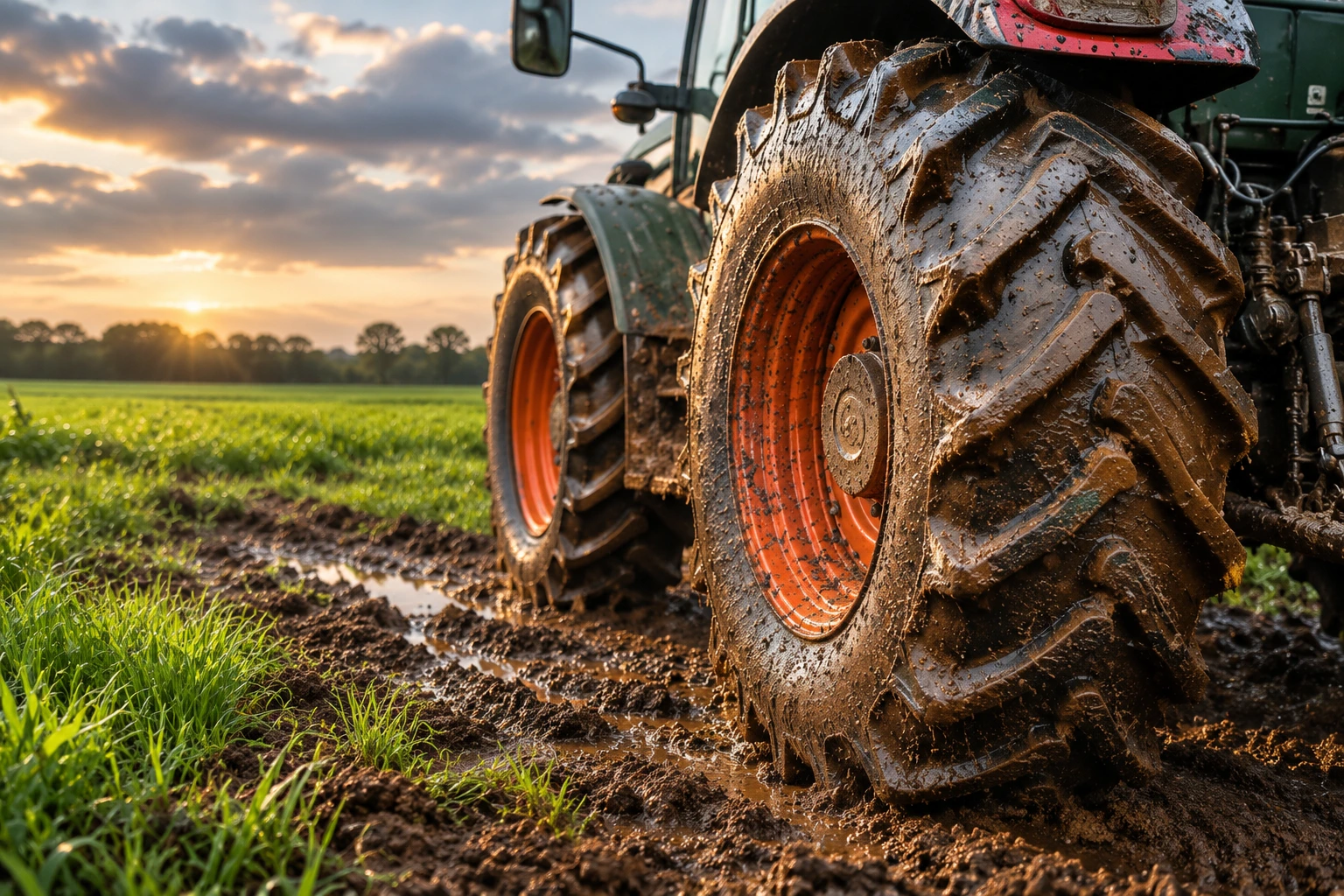
R2 tyres are designed for specialised agricultural conditions, particularly applications involving very wet soil and deep mud. They typically feature deeper, more widely spaced lugs than standard R1 tyres.
This tread configuration is intended to provide traction in challenging conditions where ordinary agricultural tread patterns may struggle.
Key characteristics
- Deep lug tread.
- Designed for demanding wet-soil and muddy conditions.
- Widely spaced tread elements to assist traction and mud release.
- Intended for specialised agricultural applications rather than every farming situation.
Typical applications
R2 tyres may be suitable for certain wetland farming operations, including applications associated with rice cultivation and other muddy field environments.
They are not automatically the best option for every tractor. Buyers should evaluate the local farming environment, road travel requirements, soil type and availability of suitable tractor sizes before selecting an R2 range.
3. What Are Front Rib Tractor Tyres?
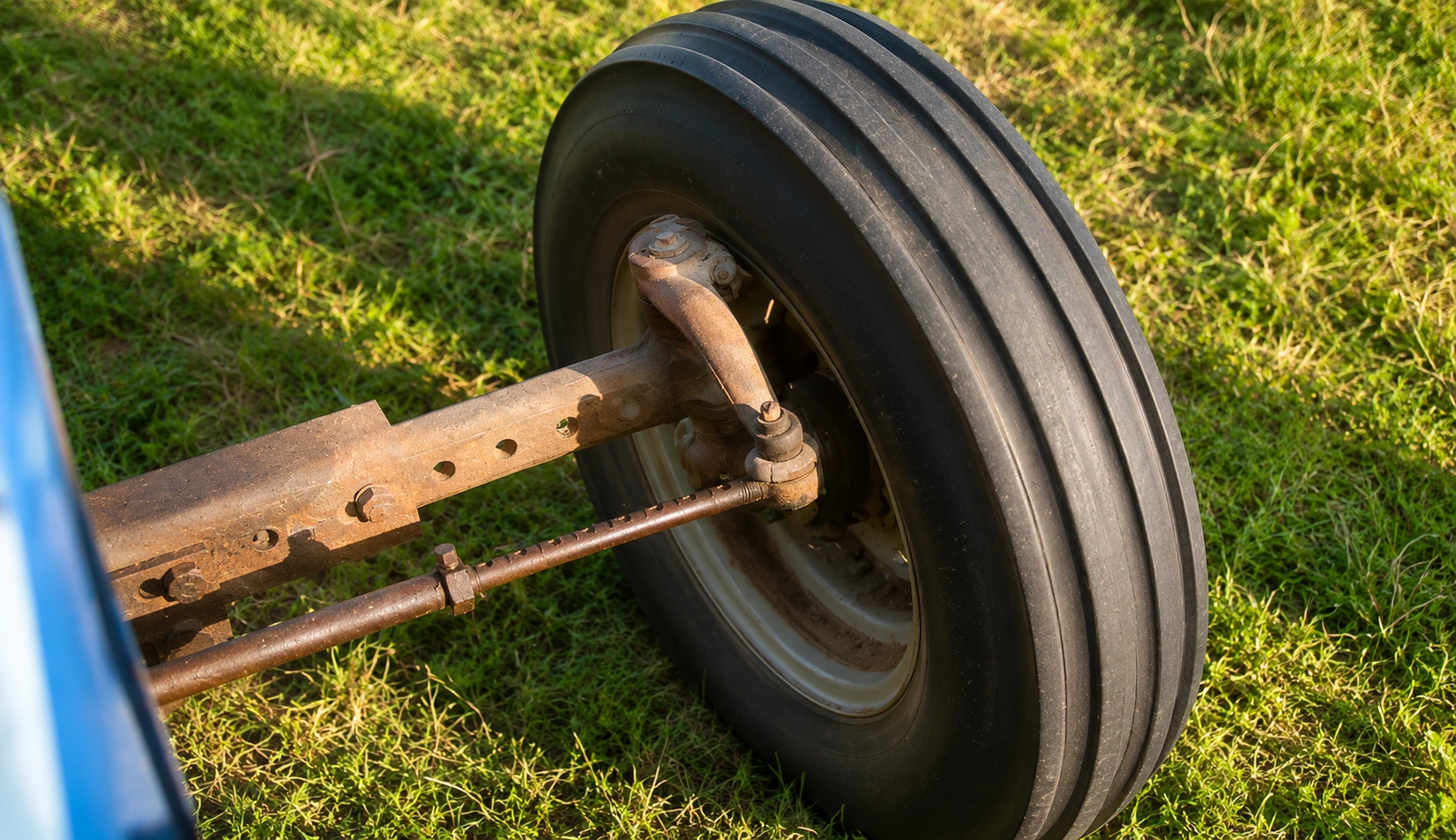
Front rib tyres are commonly used on the steering axle of agricultural tractors. Unlike the prominent angled lugs of typical rear drive tyres, front rib patterns feature longitudinal ribs designed to support directional control.
Their role is different from that of rear agricultural drive tyres: they are primarily intended to help the tractor steer accurately.
Key characteristics
- Longitudinal ribbed tread design.
- Designed for steering applications on compatible tractors.
- Helps maintain directional control in suitable operating conditions.
- Often paired with rear agricultural tyres selected for traction.
Typical applications
Front rib tyres are commonly used on two-wheel-drive agricultural tractors, where the front axle is responsible for steering and the rear tyres provide the primary drive traction.
The correct front tyre depends on the tractor's original specification, axle configuration, size requirements and load rating.
4. R1 vs R2 vs Front Rib: Key Differences
| Feature | R1 | R2 | Front Rib |
|---|---|---|---|
| Primary function | General agricultural traction | Traction in very wet soil and mud | Steering and directional control |
| Tread design | Angled agricultural lugs | Typically deeper, widely spaced lugs | Longitudinal ribs |
| Typical position | Driven tractor wheels | Driven tractor wheels | Commonly front steering wheels |
| Typical environment | General field conditions | Wet, muddy and specialised conditions | Varies with tractor application |
| Main buyer consideration | Versatile field use | Specialised wet-soil performance | Steering compatibility and fitment |
The three patterns serve different purposes. R1 and R2 are primarily traction-oriented agricultural patterns, while front rib tyres are generally intended for steering applications.
Always confirm the tyre's technical classification and approved application with the manufacturer. Pattern names alone do not establish every performance characteristic.
5. How Should Importers Choose the Right Agricultural Tyre Range?
For an agricultural tyre importer, the objective is not simply to stock every available pattern. It is to identify the products that match the tractors and farming conditions in the target market.
For general farming markets
Consider building a range around commonly used R1 rear agricultural tyres and compatible front tyres. This can serve buyers who need tyres for everyday cultivation and field operations.
For wet-soil and rice-growing regions
Evaluate whether there is sufficient demand for R2 tyres. Research local farming practices, tractor models and the sizes used by agricultural equipment dealers before committing to inventory.
For tractor replacement markets
Front rib tyres can complement rear agricultural tyres by serving customers who need replacement steering tyres for compatible tractor configurations.
Before placing an order
Importers should assess:
- Popular tractor brands and models in the target market.
- The most frequently requested tyre sizes.
- Local soil conditions and seasonal farming practices.
- Demand for standard versus specialised tread patterns.
- Required load ratings and technical specifications.
- Minimum order quantities, lead times and shipping costs.
A market-specific size list is generally more useful than a broad catalogue without information about local demand.
6. Why Tyre Size and Compatibility Matter
Even the correct tread pattern will not be suitable if the tyre does not match the tractor's requirements.
Before purchasing, confirm the following:
Tyre size: Match the manufacturer's recommended dimensions and rim requirements.
Load capacity: Check the load rating against the intended application and operating conditions.
Tractor configuration: Determine whether the tractor uses two-wheel drive or four-wheel drive, as axle requirements and front tyre selection can differ.
Inflation pressure: Follow the manufacturer's guidance for the load, speed and field conditions.
Operating environment: Consider field work, road travel, soil type and moisture levels.
Importers should request technical specifications for the exact tyre model rather than relying only on broad descriptions such as R1 or R2.
7. Building an Agricultural Tyre Product Range
A practical agricultural tyre catalogue should make it easy for dealers and end users to identify the correct product.
A well-organised range can include:
- R1 agricultural tyres for general field traction.
- R2 agricultural tyres for suitable wet-soil applications.
- Front rib tyres for compatible steering applications.
- A clear list of available sizes and specifications.
- Product information that helps dealers match tyres to tractor requirements.
For distributors, this approach makes product selection clearer and helps reduce confusion between tyres designed for different operating conditions.
At Safeway Tyre, we work with international buyers looking for tyre supply solutions across agricultural and other tyre categories. Importers can share their required sizes, target applications and destination markets to discuss suitable sourcing options.
Frequently Asked Questions
1. What is the difference between R1 and R2 tractor tyres?
R1 tyres are intended primarily for general agricultural traction, while R2 tyres are designed for specialised conditions involving very wet soil and deep mud. The correct option depends on the farming environment and the specific tyre specification.
2. What are front rib tractor tyres used for?
Front rib tyres are commonly used on the steering axle of compatible agricultural tractors. Their longitudinal rib pattern is designed to support directional control rather than provide the primary drive traction.
3. Are R2 tyres better than R1 tyres?
Not universally. R2 tyres may be better suited to very wet or muddy conditions, while R1 tyres are widely used for general agricultural work. Selection should reflect soil conditions, farming practices and tractor requirements.
4. Can front rib tyres be used on the rear wheels?
Front rib patterns are generally designed for steering applications. Rear-wheel tyre selection must follow the tractor manufacturer's specifications and the intended drive application.
5. What should agricultural tyre importers check before ordering?
Importers should confirm tyre sizes, load ratings, tractor compatibility, pattern requirements, order quantities, lead times and destination-market requirements. Local demand research can also help determine which patterns and sizes to stock.
Looking for Agricultural Tyres for Your Market?
Choosing the right agricultural tyre range starts with understanding local farming conditions and the tractors used by your customers.
Safeway Tyre works with international importers and distributors seeking agricultural tyre supply solutions. Share your required sizes, estimated quantities and destination market to discuss available products and quotation options.